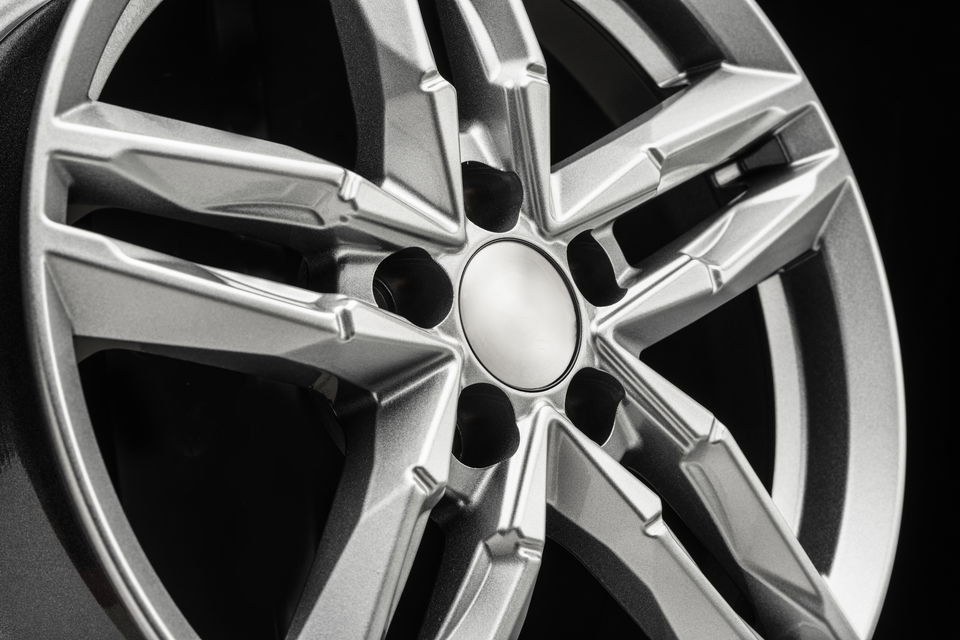
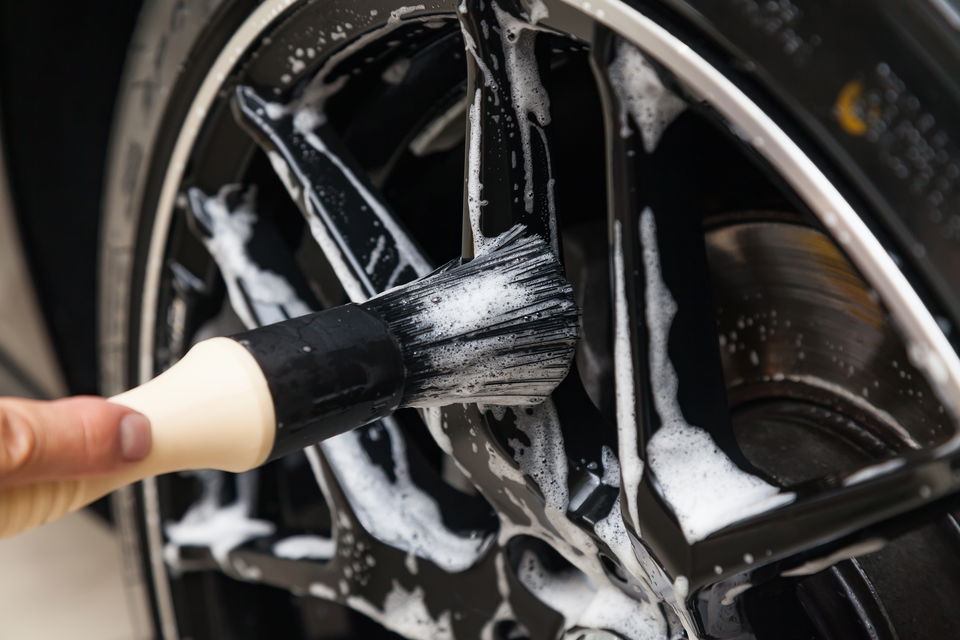
Ceramic wheel polishing and ceramic coatings improve gloss, reduce brake dust build-up, and make wheels easier to clean — but they do not repair damage or make a compromised wheel safe. The results and lifespan depend heavily on wheel condition, finish type, and how the vehicle is used.
If you’re specifically looking for ceramic wheel polishing in London , this guide explains what you can realistically expect — and when refurbishment is the safer option.
The term ceramic wheel polishing is often used loosely. In practice, it usually refers to a combination of light mechanical polishing followed by a ceramic wheel coating.
Polishing improves the appearance of an existing surface. The ceramic coating that follows provides protection — not structural repair.
Polishing vs Ceramic Coating (The Difference That Matters)
Wheel polishing
A mechanical process using abrasives to refine gloss and reduce light surface marks.
Ceramic wheel coating
A heat-resistant protective layer (typically SiO₂-based) applied after preparation.
Ceramic coatings bond to the surface and help resist brake dust, road salt, and chemical cleaners, but they do not fill damage, fix corrosion, or strengthen the wheel.
Why Ceramic Protection Matters for Wheels
Reduces brake dust adhesion
Makes routine cleaning easier
Slows surface oxidation and staining
Maintains a consistent finish for longer
Helps preserve resale and lease-return condition
Wheels operate in harsher conditions than bodywork — heat, metal particles, salt, and chemical exposure. Wheel-specific ceramic products are designed for this environment.
Is ceramic wheel polishing worth it?
In our experience it is most worthwhile on wheels that are already in good condition — a fresh full alloy wheel refurbishment, a newish car, or a set you want to keep looking sharp with less effort. On a sound finish, a coating realistically holds up for around 6 to 12 months of normal UK driving before it needs refreshing, and the day-to-day benefit is mostly that brake dust rinses off far more easily.
Where it rarely makes sense is as a way to "tidy up" wheels that already need work. A coating applied over failing lacquer, corrosion or kerb damage simply seals the problem in and still wears away on the same timescale — so the money is better spent putting the wheel right first. The honest test is whether the finish underneath is something worth protecting.
If refurbishment or replacement is the safer option, we will advise it — even if that means turning work away. A cosmetic coating does nothing for structural safety, and damaged road wheels are assessed as a safety-related defect, as set out in the DVSA MOT inspection manual (axles, wheels, tyres and suspension). A cracked alloy wheel needs assessing on its own merits, not coating over.
DIY vs Professional Application
DIY can work if:
The wheel finish is sound
Correct wheel-specific products are used
You understand preparation and curing limits
Professional application is recommended if:
The wheels are diamond cut
Longevity matters
You want a controlled curing environment
The wheels are part of a lease or resale preparation
Frequently Asked Questions
Q1How long does ceramic polishing or a ceramic wheel coating last?
On alloy wheels in normal UK driving conditions, a ceramic wheel coating typically lasts between 6 and 12 months. Longevity depends heavily on wheel finish type, mileage, brake dust levels, cleaning products used, and how often the wheels are washed. Aggressive wheel cleaners, winter road salt, and frequent motorway driving can shorten lifespan.
Q2Can ceramic polishing hide or repair deep kerb damage?
No. Ceramic polishing and coatings are protective and cosmetic only. They may reduce the visibility of very light surface marks, but deep kerb rash, gouges, corrosion, or lacquer failure must be repaired properly before any ceramic product is applied.
Q3Is ceramic wheel polishing safe to do at home?
Basic polishing and consumer-grade ceramic coatings can be applied at home if the correct products, tools, and safety precautions are used. However, improper surface preparation, over-polishing, or unsuitable products can damage the wheel finish. Professional application is recommended for diamond cut wheels or where durability matters.
Q4Can I use the same ceramic coating on wheels as on car paint?
Not always. Wheels experience far higher temperatures, brake dust contamination, and chemical exposure than painted bodywork. Wheel-specific ceramic coatings are designed to withstand heat and harsh conditions, whereas paint coatings may degrade prematurely or perform poorly on alloy wheels.
Clear safety thresholds — cosmetic work never overrides structure
Transparent advice on when refurbishment is or isn’t sensible
Proven results across private, performance, and lease-return vehicles
Maintenance & Longevity Tips
Use pH-neutral wheel cleaners only
Avoid acidic or aggressive products
Rinse regularly in winter months
Dry wheels after washing to prevent spotting
Inspect coatings periodically for wear
Final Advice
Ceramic wheel polishing and coatings are effective protective tools — when used on suitable wheels and with realistic expectations. They improve appearance and reduce maintenance, but they do not replace proper repair or refurbishment where damage exists.
Disclaimer: This content is informational and based on workshop experience. Ceramic coatings do not make unsafe wheels roadworthy. All recommendations are based on condition at the time of inspection.
We restore kerbed, scratched, buckled and corroded alloys across London & Essex. See our alloy wheel repairs, full refurbishment and prices, or send a few photos for a quick quote.
Just had your alloys refurbished, powder coated or diamond cut? Use this finish-safe cleaning routine to protect lacquer, reduce brake dust build-up, and keep the finish looking its best.
Don't skip this step! Learn why a high-quality lacquer or clear coat is essential for protecting your painted, diamond-cut, or polished alloy wheels from brake dust, road grit, and UV damage for lasting shine.