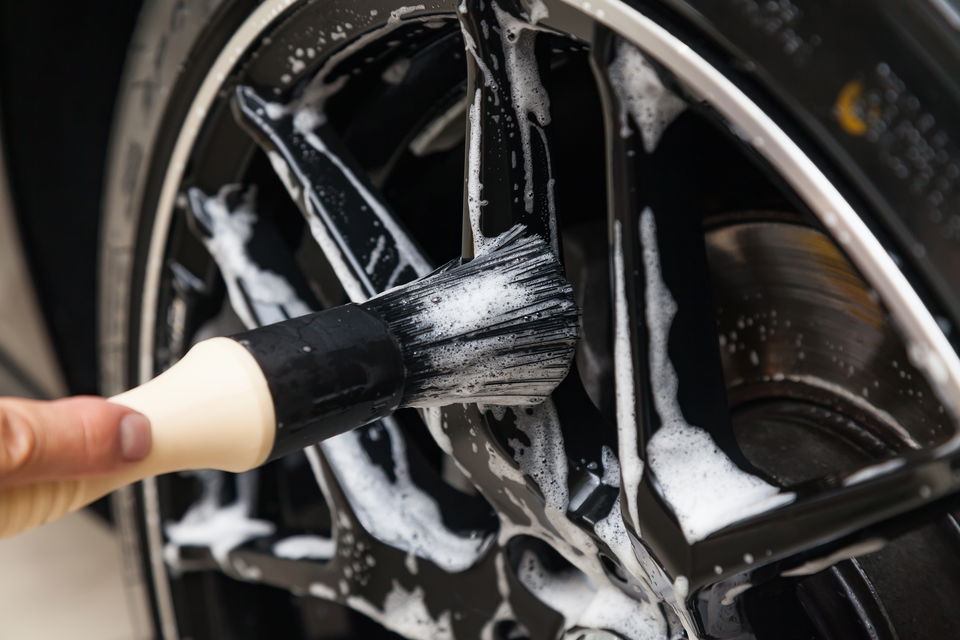
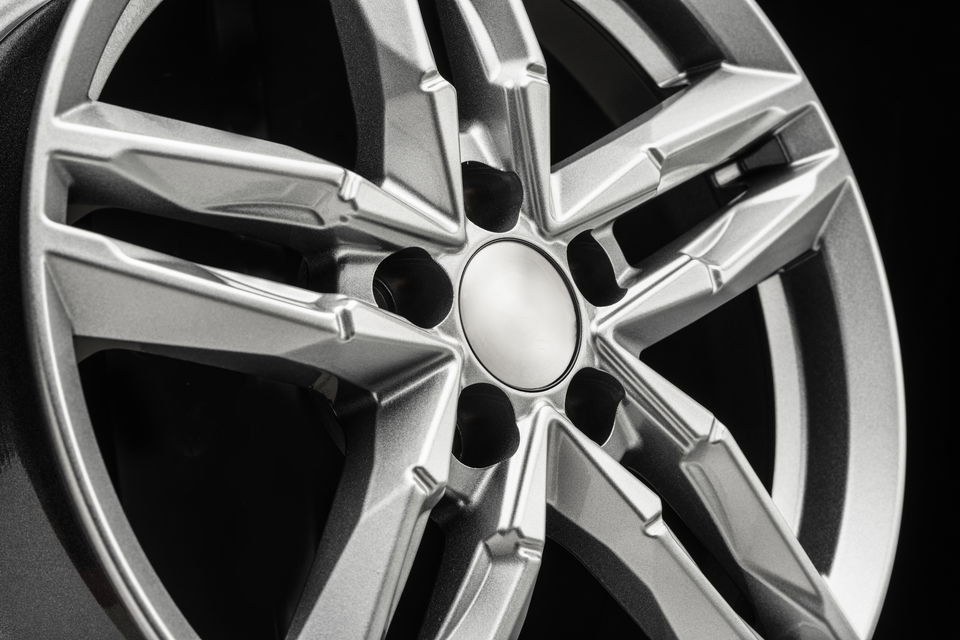
Gentle, regular cleaning helps protect lacquer and slow corrosion — especially on UK roads.
Short answer
Clean your alloy wheels little and often, only when they’re cool, using pH-neutral products and soft tools. Avoid acidic cleaners and harsh scrubbing — they’re a common cause of staining, lacquer failure, and premature corrosion.
Practical, finish-safe advice for keeping refurbished, diamond cut, powder coated, and painted alloy wheels clean — based on real workshop experience.
Alloy wheels are constantly exposed to brake dust, road film, salt, and grit. If contamination is left to build up, it can trap moisture against the finish, accelerating corrosion and shortening the life of the lacquer or coating.
Protects the finish
Reduces staining, pitting, and lacquer breakdown.
Helps spot damage early
Cracks, bends, and fresh kerb impacts are easier to see.
Slows corrosion
Especially important on diamond cut wheels and during winter.
Keeps the car looking cared-for
Clean wheels lift the whole vehicle.
Best practice: Always clean wheels in the shade and only when they are cool to the touch.
What we recommend to our customers after wheel refurbishment
After we refurbish a set of alloy wheels, we give every customer the same aftercare advice. It’s based on real-world results and on the most common reasons refurbished finishes fail early.
Be gentle for the first couple of weeks: Use pH-neutral shampoo only. Avoid strong wheel cleaners while the finish settles.
Never clean hot wheels: Heat makes lacquer and coatings more vulnerable to staining and chemical damage.
Avoid automated brush car washes: Stiff brushes cause fine scratching and dullness, particularly on diamond cut faces.
Skip acidic cleaners for routine washing: Acids are one of the most common causes of premature lacquer failure we see.
Rinse after winter driving: Local roads are treated with salt and grit through the cold months (GOV.UK: how roads are gritted), and that salt film is aggressive on wheel finishes. Even a quick rinse helps slow corrosion.
Inspect while cleaning: Look for new impacts, cracks, or air leaks before they become bigger issues.
Honest note: Refurbishment improves appearance and usability, but impacts, harsh chemicals, and poor road conditions will always reduce a wheel’s lifespan.
Tools and supplies you’ll need
pH-neutral car shampoo (ideal for regular cleaning)
Avoid: abrasive pads, stiff brushes, and acidic cleaners for routine use.
How to clean alloy wheels (step-by-step)
Rinse thoroughlyRemove loose grit from the wheel face and inner barrel before any contact cleaning.
Apply cleaner or shampooUse pH-neutral shampoo for routine washes. For heavier dirt, use a pH-neutral wheel cleaner and follow the manufacturer’s dwell time. Never let products dry on the wheel.
Clean gentlyUse soft brushes only. Let the product do the work — heavy scrubbing causes marring.
Rinse thoroughly againFlush spokes, bolt holes, valves, and the inner rim to remove all residue.
Dry properlyDry with a microfibre towel to prevent water spots and inspect the finish.
Protect the finishApply a wheel sealant or ceramic maintenance product to reduce brake dust bonding and make future cleaning easier.
Common mistakes to avoid
Cleaning hot wheels
Chemicals can bake onto the surface.
Using acids regularly
Weakens lacquer and stains diamond cut faces.
Over-scrubbing
Causes fine scratches and dullness.
Ignoring inner rims
Corrosion often starts where it’s hardest to see.
One bucket for everything
Wheel grit transfers to paintwork.
Maintaining clean wheels
Weekly or fortnightly
Gentle wash using shampoo.
Monthly
Reapply wheel sealant.
Winter
Rinse more frequently to remove salt film.
When to stop cleaning and book an inspection
Cleaning is the best moment to catch a fault early. Wheel and tyre condition forms part of a vehicle’s roadworthiness and is assessed at MOT (DVSA MOT inspection manual), so anything that can’t be made safe should be repaired or replaced rather than left in service.
Q1Can I use acidic wheel cleaner on refurbished wheels?
We don’t recommend acids for routine use. If used occasionally, follow the label carefully, keep dwell times short, never let the product dry, and rinse thoroughly.
Q2How often should alloy wheels be cleaned?
Weekly or fortnightly is ideal. In winter, rinsing more often helps remove salt.
Q3Are diamond cut wheels harder to maintain?
Yes. Diamond cut faces rely on lacquer protection and are more sensitive to neglect. Gentle cleaning and protection significantly extend their lifespan.
We restore kerbed, scratched, buckled and corroded alloys across London & Essex. See our alloy wheel repairs, full refurbishment and prices, or send a few photos for a quick quote.
Don't skip this step! Learn why a high-quality lacquer or clear coat is essential for protecting your painted, diamond-cut, or polished alloy wheels from brake dust, road grit, and UV damage for lasting shine.
Understand ceramic wheel polishing vs ceramic coating, expected lifespan, suitability for painted/diamond cut wheels, and the limits (what it won’t fix). Practical advice from a London wheel refurbishment workshop.