Winter road conditions in London expose alloys to salt, slush and spray — a perfect recipe for corrosion.
Short answer
London’s winter gritting leaves salt residue that creeps under damaged lacquer and corrodes alloys. Prevent it by getting kerb damage refurbished before winter, adding ceramic or sealant protection, regular pH-neutral washes, proper drying — and book refurbishment promptly if lacquer starts to lift.
Rock salt (mainly sodium chloride) helps keep roads passable — but when mixed with water and oxygen it creates a conductive electrolyte that accelerates corrosion. Aluminium alloys don’t rust like steel; instead, they oxidise beneath the protective lacquer. A chip, kerb rash or hairline crack lets saltwater in; the lacquer blisters, paint lifts, and pitting spreads under the finish.
Early signs
White, chalky deposits; dulling despite washing; rough texture on rim edges.
Progression
Bubbling/peeling lacquer; visible pitting around valve holes, wheel bolts and the bead seat.
Risk
Slow air leaks, poor balance and long-term finish failure.
2) Why It’s Worse in London
London’s winters are wet and mild — ideal for constant damp roads. Local councils grit priority routes throughout the season — you can check which roads your council grits on GOV.UK — and the salty film and slush linger, and stop–start traffic throws residue onto inner barrels and behind spokes. Add urban kerbing and brake dust and you’ve got a perfect corrosion cocktail.
Oxide growth lifts the lacquer like a blister → more brine creeps in.
Cycle repeats under the surface — often invisible until spring.
4) How to Protect Your Alloy Wheels This Winter
A) Before Winter — Preparation
Repair chips/scratches now; a pinhole today is a crater by February.
Apply ceramic or a quality polymer sealant for a hydrophobic barrier.
Consider a simpler “winter wheel” set to protect premium alloys.
B) During Winter — Maintenance
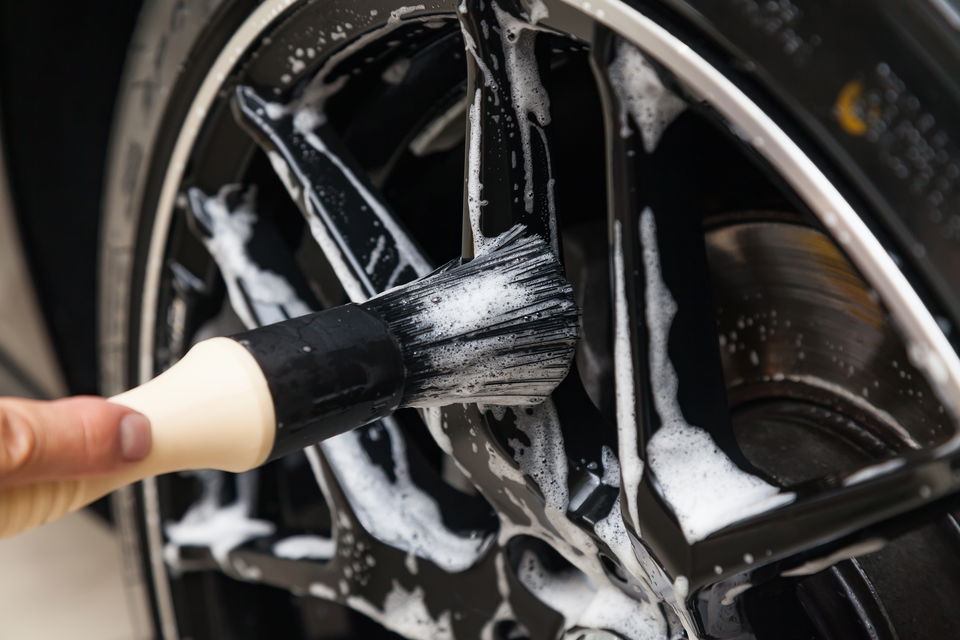
Wash every 1–2 weeks with pH-neutral cleaner and soft brushes; clean inner barrels.
Rinse after visibly gritted journeys; avoid blasting damaged areas with close-up pressure.
Dry thoroughly — salt clings to moisture.
C) After Winter — Recovery
Deep clean and decontaminate (iron/tar removers) to purge residue.
Inspect for bubbling, pitting or chalky oxide; address early.
Book professional refurbishment if lacquer lift has started.
5) Professional Solutions When Damage Is Done
Once corrosion is creeping under the lacquer, washing won’t reverse it. Our technicians strip back the failed coating, neutralise corrosion and refinish the wheel (e.g., powder coating or diamond cutting) to restore appearance and, crucially, protection. If the bead seat is affected, refurbishment also resolves slow leaks and improves safety.
Avoid harsh acids/alkalis that strip finishes faster than salt.
Park away from roadside slush piles where possible.
Inspect inner barrels; most winter build-up hides there.
7) Common Myths
“Alloys don’t rust, so winter salt can’t hurt.”
They oxidise instead; the result is lacquer lift and pitting.
“Rain will wash salt away.”
It rinses surfaces but leaves residue in barrels and behind spokes.
“A spring clean will fix it.”
Corrosion spreads under the finish; act early.
8) When to Seek Professional Help
If you notice bubbling/peeling lacquer, visible pitting or slow air loss, get the wheel assessed promptly. Early intervention is usually far less costly than replacement and prevents deeper structural issues — see our wheel repair prices for guidance before you book.
Need winter protection or a refurbishment quote?
We assess salt damage, repair and refinish alloy wheels, and advise on coatings that suit London driving.
Q1Do London councils actually use road salt in winter?
Yes. Many London boroughs operate winter gritting and use rock salt on priority roads and some pavements to prevent ice. Exposure to salty slush and spray increases the risk of alloy corrosion.
Q2How often should I wash my wheels in winter?
Aim for every 1–2 weeks, or sooner after driving on visibly gritted roads. Use pH-neutral cleaner, soft brushes, and dry the wheels thoroughly to minimise salt residue.
Q3Will a ceramic coating stop all corrosion?
No coating is bulletproof, but a quality ceramic or polymer sealant creates a hydrophobic barrier that slows salt ingress and makes cleaning easier. It’s still important to wash and dry regularly.
Q4When is professional refurbishment necessary?
If you see bubbling or flaking lacquer, pitting, or you have slow air leaks at the tyre bead, DIY cleaning won’t reverse it. Professional stripping and refinishing stops the spread and restores protection.
Q5Are diamond-cut wheels okay for winter?
They are more vulnerable to micro-scratches and lacquer lift. Consider a winter wheel set or step up your wash-and-protect routine to reduce the risk.
Disclaimer: This guide is informational, based on workshop experience and good-practice maintenance. Always follow manufacturer guidance and consult a professional for inspection and repairs.
We restore kerbed, scratched, buckled and corroded alloys across London & Essex. See our alloy wheel repairs, full refurbishment and prices, or send a few photos for a quick quote.
White worm and oxidation on alloy wheels explained: what causes it, where it genuinely matters for safety, how corrosion is repaired, and when replacement is the honest call.
Don't skip this step! Learn why a high-quality lacquer or clear coat is essential for protecting your painted, diamond-cut, or polished alloy wheels from brake dust, road grit, and UV damage for lasting shine.
Just had your alloys refurbished, powder coated or diamond cut? Use this finish-safe cleaning routine to protect lacquer, reduce brake dust build-up, and keep the finish looking its best.